Math Teaching, Refined

ELEMENTARY MATHEMATICS LABORATORY

Join us for a week-long Elementary Mathematics Laboratory (EML) that explores the complexity of teaching and investigates and challenges what it means to use skillful teaching to disrupt patterns of injustice. Together we’ll unpack instructional decisions, examine mathematics content, and interrogate issues of equity in classrooms, as we explore the following question:

How do we engage students in mathematics in ways that value their thinking, broaden their ideas of what it means to do mathematics, and advance justice in classrooms?

Each day, participants will observe elementary students working on mathematics in a live, two-hour class. Participants are part of the planning for the lesson with the teacher team, which includes Deborah Loewenberg Ball, and other participants. After debriefing the lesson, participants choose an afternoon workshop to go deeper in connecting their learning to their particular contexts.


teaching
ELEMENTARY MATHEMATICS LABORATORY
DESIGNED FOR:
  • PK–12 district & instructional leaders
  • PK–12 teachers
  • Teacher educators
  • Policymakers and researchers
  • Anyone interested in education, education advocacy, or exploring the close study of teaching practice


WHAT TO EXPECT:
  • An in-depth exploration of elementary mathematics teaching
  • Opportunities to view and discuss teaching, lesson plans, and other artifacts
  • Strategies for translating your observations and discussions into practice
  • Regular discussion of the ways that equity shows up in the work of teaching


LEAVE THE ELEMENTARY MATHEMATICS LAB WITH:
  • Tools and Strategies for Making Mathematics Learnable: Leave with practical tools and considerations for supporting mathematics learning in your own classroom.
  • Confidence in Increasing Mathematical Discourse: Use the strategies and moves you learn at the EML in your own classroom to make space for student ideas and support math discourse.
  • Empowerment to Create a More Equitable Classroom: Leave the EML with new considerations for equitable mathematics teaching and new ways of thinking about equity in mathematics.
  • A Certificate: Walk away with a digital, printable document that certifies your participation and identifies the dates during which you participated.


Connect with us to learn more about attending the Elementary Mathematics Laboratory.

What brought you to TeachingWorks today:

July 6–10, 2026

Sarnia, Ontario
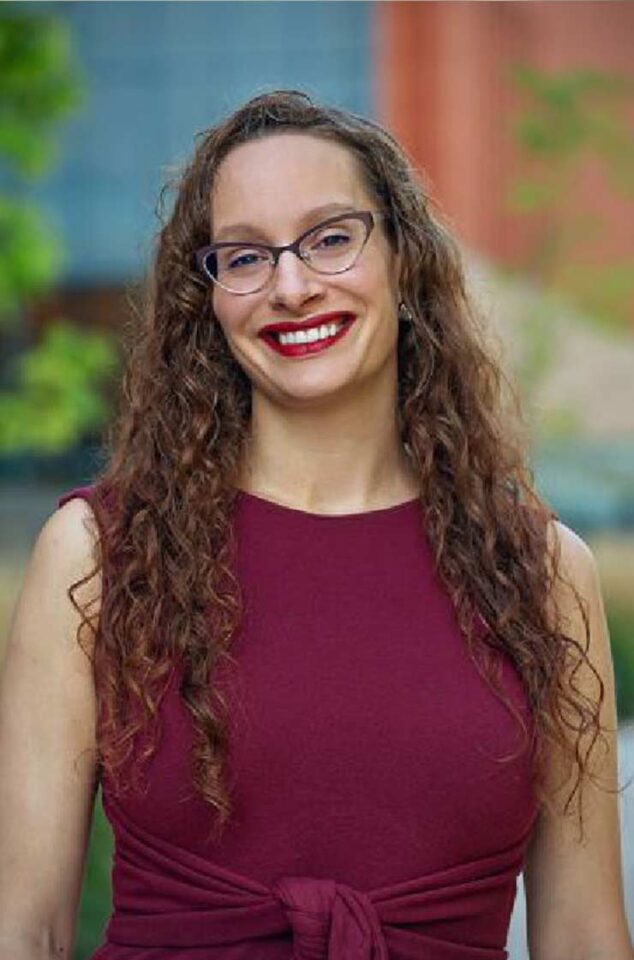
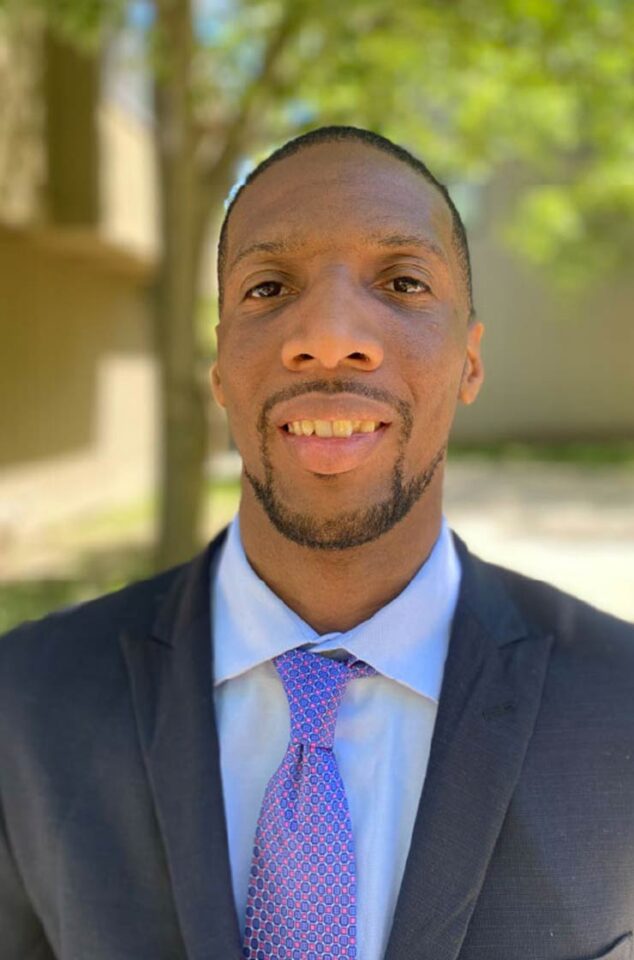
Meet Your Facilitators

Nicole Garcia

Associate Director

Darrius Robinson

Research & Design Specialist, Mathematics
PROFESSIONAL LEARNING SESSIONS

How can we leverage the first few weeks of school to set the stage for learning for the year? As a teacher, you work to get to know your new students, to determine what they already know and can do, and to introduce and establish norms and routines for discourse and work. This session will provide you with an opportunity to consider:

  • how creating a student/teacher contract can support a strong mathematics classroom environment, and how it can be used as a foundational, living resource for building relationships and classroom culture
  • productive norms and routines for mathematical discourse and work and how to deliberately implement them early in the year
  • ways to learn what students know and can do without over-assessing
  • techniques for encouraging students to share in whole group and acknowledging their competence

You will leave the session with practical considerations to guide your planning and strategies for building a productive, inclusive mathematics community in your own classroom in the first few weeks of school.

How can coaches keep content and teaching practice at the center of their work with teachers? How can you design and deliver your coaching cycles in ways that are most likely to impact teaching and learning? As a coach, you know that this is difficult work. This session will provide you with:

  • structures and tools you can use to keep your coaching centered on teaching practice
  • opportunities to practice coaching with colleagues
  • a framework for developing individualized professional learning for the teachers you coach

You will leave the session with strategies and tools you can use immediately in your coaching practice. While we will focus specifically on mathematics, the work is applicable across content areas and grade levels.

As educators, we have an obligation to ensure all students, regardless of ability, have access to education. How do we address both conscious and unconscious bias related to ableist practices and beliefs? How do we ensure that the support we provide for students does not create barriers for their future success? How can we provide support for students by presuming competence? In this session, we will engage in a series of instructional analyses and discussions to interrogate our own views and practices surrounding the support of exceptional students or students with significant lagging skills. This session will provide you with an opportunity to consider:

  • our own biases and assumptions about disability
  • when accommodations may function as barriers
  • how universal supports can be incorporated
  • how supportive inclusions may look in classrooms

You will leave this session with refined ways of thinking about supports for students in your own context.

Learn methods for observing and giving feedback on particular high-leverage practices, including strategies and protocols for productive dialogue around teaching practice, with a particular focus on issues of equity and access. Together, we will practice elements of the work including:

  • taking an inquiry stance in observation
  • observing instruction through the lens of high-leverage teaching practices
  • focusing feedback on practice

You will leave the session with strategies that you can use as you work with teachers in your own setting. While the content focus is mathematics, the elements of this work are applicable across content areas and grade levels.

Secondary students have had years of mathematics experiences that impact their understanding and identity as they enter our classes. How can we leverage what students have learned and how they learn to help them build connections across their mathematics knowledge base? In combination with observation of the elementary mathematics classroom, we will examine mathematical connections between core elementary level concepts, algorithms, and representations and secondary mathematics.

You will:

  • practice explanations that connect elementary and secondary concepts
  • examine representations and tools that support secondary learning
  • explore structures that support positive mathematics identity across the grades

You will leave the session with ways to support students to make connections and see the relationship between elementary and secondary mathematics.

How can teachers support children to share their mathematical thinking? What teaching practices enable all students to participate equitably in mathematics discourse? How can teachers encourage students to build a collective understanding of mathematics content? These and other questions related to productive student talk will be explored through observation and analysis of the laboratory classes. In addition, we will practice elements of the work ourselves to prepare you to apply key strategies and practices in your own classroom, including the following:

  • structures and routines for independent work to support discourse
  • designing effective small group discourse
  • supporting students to listen to and use other’s ideas
  • recording student’s ideas to support learning from others

You will leave the session with strategies you can use inside and outside of discussions and having practiced this work with colleagues. While the content focus is mathematics, the elements of supporting discourse are applicable across content areas.

Testimonials

“EML will change your thinking on how we should be teaching math; when we as teachers make our students thinkers and build their confidence levels in math their skills will transfer to all academic subjects and they will persevere and not feel as though they are not capable of doing things that are difficult.”

“What a wonderful experience full of great teaching moments! I loved seeing the community of learners being built and all of the great math dialogue being used. Enriching the students’ vocabulary by encouraging the use of the correct mathematical terms, such as expression vs. equation, is so important!”

“I appreciated the excellent facilitation that allowed for both individual reflection and lively dialogue.”

“Each session had such thoughtful facilitation and participation from group members. Every discussion was filled with reflection and bravery in sharing authentic ideas and feelings.”

Frequently Asked Questions

You will spend a large portion each day co-planning, observing, and discussing the teaching of elementary students. The remainder of each day will be spent in an interactive facilitated learning session.

A laptop or tablet is required to access digital resources. No other supplies are required.

Anyone interested in education, education advocacy, or exploring the close study of teaching practice is welcome to attend the Elementary Mathematics Laboratory, including teachers, teacher educators, education leaders, policymakers, and researchers.

TeachingWorks reserves the right to cancel in-person, virtual, or hybrid training or workshops before the start. TeachingWorks staff will notify participants of cancellation via e-mail. Participants will be eligible for a full refund of their registration fee. TeachingWorks will not be held responsible for any expenses incurred due to the cancellation of an event, training, or workshop.

For a full refund (100%), participants must submit a written request to cancel or withdraw 30 days prior to the first day of the event (in-person or virtual). Fifty percent (50%) will be refunded for requests received 15 days prior. No refunds will be issued for requests received within seven (7) business days of the first day of the event or failure to submit the required documentation required for participation.